How to Turn Off Your Water Supply in an Emergency
When a pipe bursts or water starts gushing unexpectedly, every second counts. Knowing how to turn off your home’s water supply can help you avoid extensive water damage, costly repairs, and a lot of stress.
This guide walks you through what to do, where to find your stopcock, and how to handle common issues, all based on what we see time and time again in homes across Kent.
1. Why It’s Important to Act Fast
Water can cause serious structural damage in a matter of minutes. Whether it’s a split pipe under the sink or an overflowing toilet, your first move should always be shutting off the water.
2. Locate Your Main Stopcock
Your stopcock (or stop valve) is usually found under the kitchen sink or in a downstairs bathroom or utility room. It may look like a simple tap handle.
Test it now — not when it’s too late:
- Turn it clockwise to shut off the water
- Make sure it moves freely
- If it’s stiff or stuck, you may need to get it serviced or replaced
3. How to Isolate Water to a Specific Fixture
If the problem is limited to a tap, toilet, or washing machine, you may be able to isolate it without cutting off the entire supply.
Look for:
- Isolation valves on the pipes near the appliance
- Small levers that turn 90 degrees to shut off flow
4. What to Do if the Stopcock Doesn’t Work
In some cases, the stopcock may be corroded, stuck, or broken. If you can’t shut it off:
- Call an emergency plumber immediately
- Inform neighbours or the landlord if it’s a shared supply
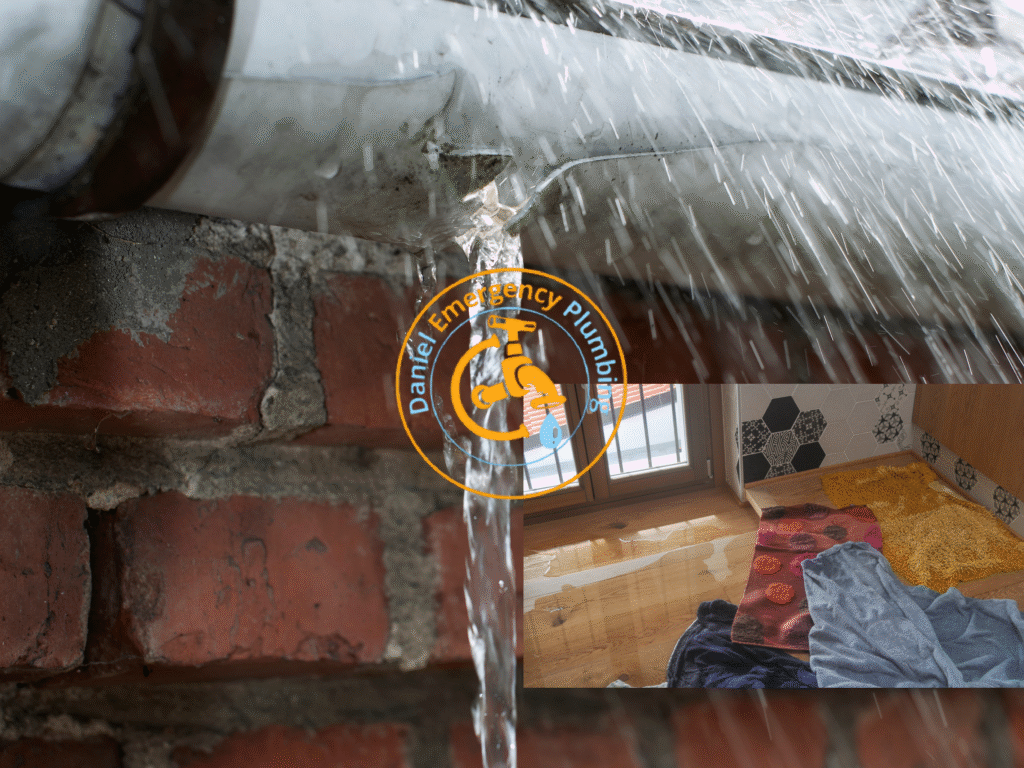
- Use towels, bowls, or buckets to minimise damage in the meantime
Need Help in an Emergency?
At Daniel Emergency Plumbing, our team is on standby 24/7 to assist with burst pipes, faulty stopcocks, and emergency leaks across Ashford, Maidstone, and surrounding Kent areas. We’ll not only stop the issue fast, but also help you avoid future damage.